The Search Revolution Nobody Warned You About
Something fundamental has changed in how people find information. For over two decades, the path to online visibility was straightforward: rank on Google, get traffic, grow your business. But Generative Engine Optimization, or GEO, has emerged as the discipline that addresses a new and increasingly important channel: AI-generated answers.
In 2026, a substantial and growing portion of search behavior happens inside AI platforms like ChatGPT, Google Gemini, Perplexity, and Claude. Users type or speak a question and receive a direct, synthesized answer. No click required. No list of blue links to browse. Just an answer, often with a few cited sources. If your brand is not one of those cited sources, you have already lost the interaction.
Defining Generative Engine Optimization (GEO)
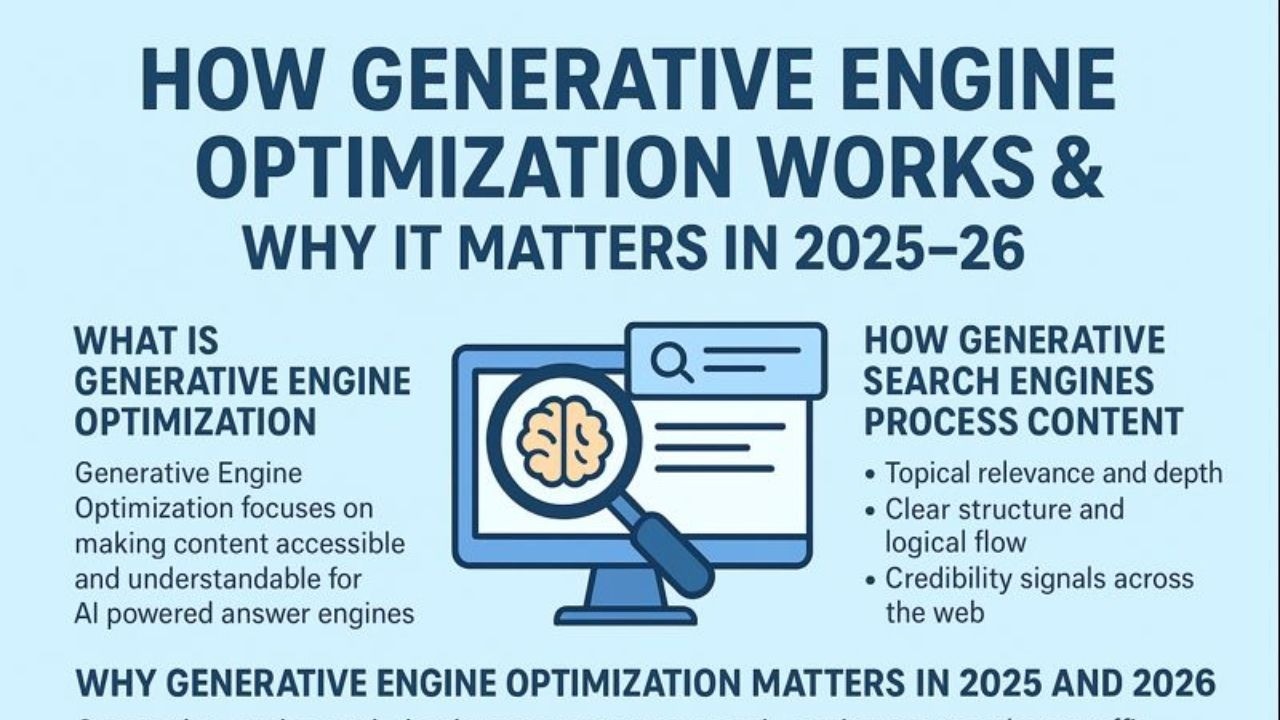
Generative Engine Optimization is the practice of optimizing your digital content so that it is understood, referenced, and cited by large language models when they generate responses to user queries. While traditional SEO focuses on improving your rankings in search engine results pages, GEO focuses on improving your visibility inside the answers that AI models produce.
The core goal of GEO is to increase your brand's citation share: the percentage of AI-generated answers in your topic area that reference your brand, content, or expertise. A high citation share means that when users ask AI assistants questions relevant to your industry, your brand is regularly part of the answer.
GEO is not a replacement for SEO. It is an expansion of the search optimization discipline to account for the new reality of how information is consumed. The most effective digital strategies in 2026 address both traditional search rankings and AI visibility.
How GEO Differs From Traditional SEO
Traditional SEO and GEO share some foundational principles: quality content, authority signals, and relevance all matter in both disciplines. But the mechanisms, metrics, and tactics differ significantly.
In traditional SEO, success is measured by keyword rankings, organic traffic, and click-through rates. In GEO, success is measured by citation frequency, brand mention quality in AI responses, and your share of voice within AI-generated content. These are entirely different metrics that require different tools to track.
SEO optimizes for crawlers and ranking algorithms that return lists of links. GEO optimizes for language models that synthesize information and produce direct answers. A page that ranks number one on Google may or may not be cited by ChatGPT. And a piece of content that gets cited frequently in AI answers may not rank particularly well in traditional search. Both outcomes have significant business value.
Why GEO Matters More Than Ever in 2026
The growth of AI search in 2026 is not a trend. It is a structural shift in information behavior. Platforms like ChatGPT, Gemini, and Perplexity now handle billions of queries monthly. Users who rely on these tools for research, product comparisons, and professional advice represent high-intent, high-value audiences.
For B2B companies, the stakes are particularly high. Decision-makers and professionals increasingly use AI assistants to gather information before making purchasing decisions. If your competitors are cited in AI answers and you are not, you are absent from a critical stage of the buyer journey.
Consumer behavior is shifting similarly. When someone asks an AI assistant for a product recommendation, a service comparison, or expert advice, the brands that appear in that answer receive an implicit endorsement. Being cited by an AI feels authoritative. Brands that invest in GEO now are building a competitive moat that will be very difficult to close later.
The Core Pillars of a GEO Strategy
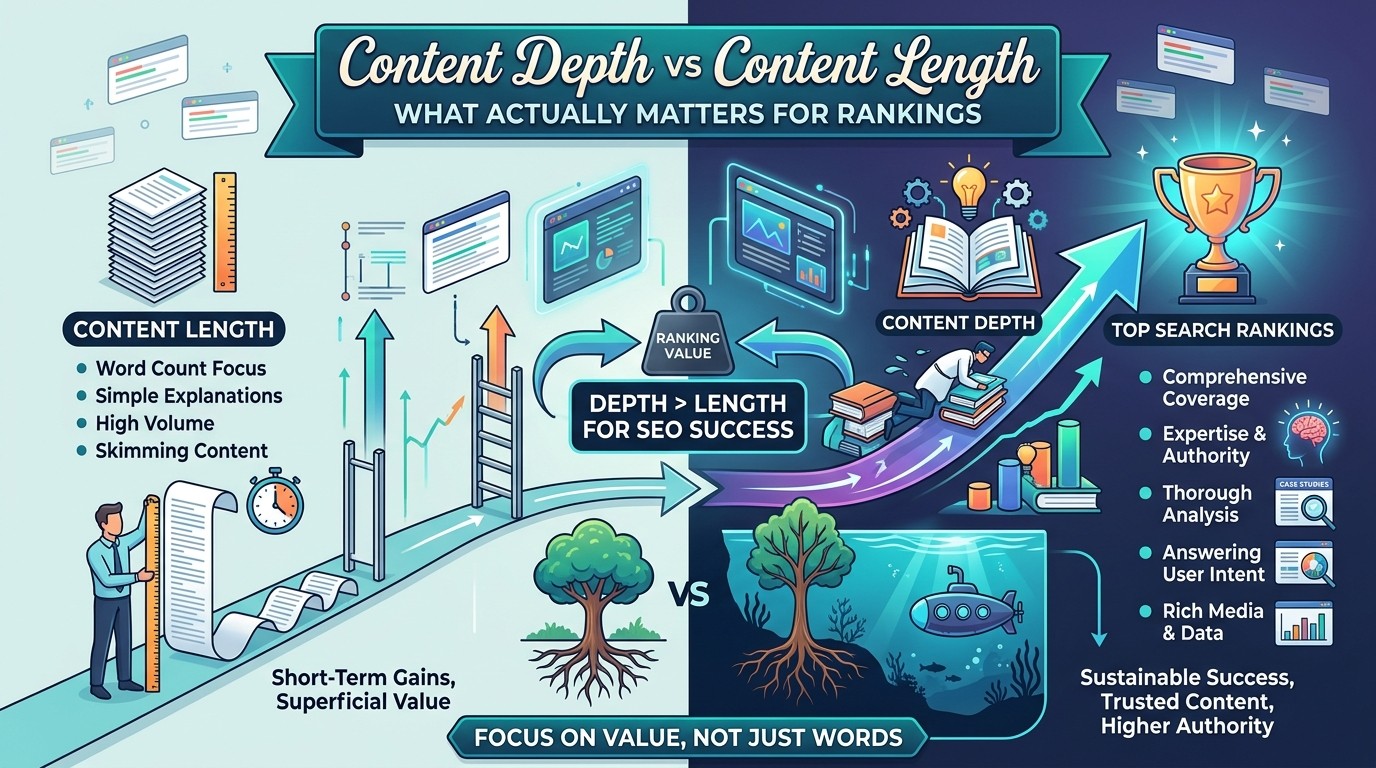
A strong GEO strategy rests on several interconnected pillars. Content authority means producing high-quality, well-researched content that demonstrates genuine expertise in your field. AI models favor sources that are thorough, accurate, and consistently reliable.
Structured content organization helps AI systems parse and cite your material accurately. Clear heading hierarchies, concise paragraphs, direct answers to specific questions, and FAQ sections all make your content more AI-friendly. The easier it is for a language model to extract a clear answer from your page, the more likely that page is to be cited.
Brand authority signals, including backlinks from reputable sources, expert authorship credentials, and consistent brand mentions across the web, reinforce your credibility in the eyes of AI systems. These signals communicate that your brand is a trustworthy source worth referencing.
Getting Started With GEO
The first step in any GEO strategy is understanding your current AI visibility baseline. Run queries related to your industry across ChatGPT, Gemini, Perplexity, and Claude. Note which brands are being cited, what types of content are referenced, and where your brand is absent.
Use that analysis to identify your highest-priority content opportunities. Where are competitors consistently appearing in AI answers while you are not? What questions is your target audience asking AI assistants that you could answer better than anyone else? Build your content roadmap around these gaps.
Platforms like GeoToBlog streamline this process by automating AI visibility analysis, competitor tracking, and GEO-optimized content generation. Visit geotoblog.com to run a free analysis of your current AI search presence.

Conclusion
GeoToBlog: Your GEO Platform for AI Visibility
GeoToBlog is a purpose-built platform for brands that want to improve their visibility in AI-generated search results. It analyzes how your brand currently performs across ChatGPT, Gemini, Perplexity, and other AI platforms, identifies competitor citation patterns, and generates optimized blog content designed to increase your AI citation share.
Unlike traditional SEO tools that focus on keyword rankings, GeoToBlog measures the metrics that matter most for generative search: citation frequency, brand mention quality, and content authority signals. Visit geotoblog.com to start a free analysis and see exactly where your brand stands in the AI search ecosystem.