
Introduction
The digital marketing world is undergoing a seismic shift, moving beyond the traditional blue links and banner ads. As OpenAI scales up ChatGPT Advertising, marketers are entering the exhilarating, yet complex, realm of Conversational Ads. This marks a pivotal moment where brands can transition from simply being "found" to becoming an active, recommended participant in a user's digital dialogue.
This guide will demystify ChatGPT Advertising, explain its fundamental differences from legacy ad platforms, and provide a strategic roadmap for brands looking to dominate this new frontier.
1. What Defines Conversational Advertising in the Age of ChatGPT?
Conversational advertising with ChatGPT isn't about placing a static banner next to a search result. It's about seamless, native integration into the AI's dialogue. When a user engages ChatGPT with a query, a conversational ad might manifest as:
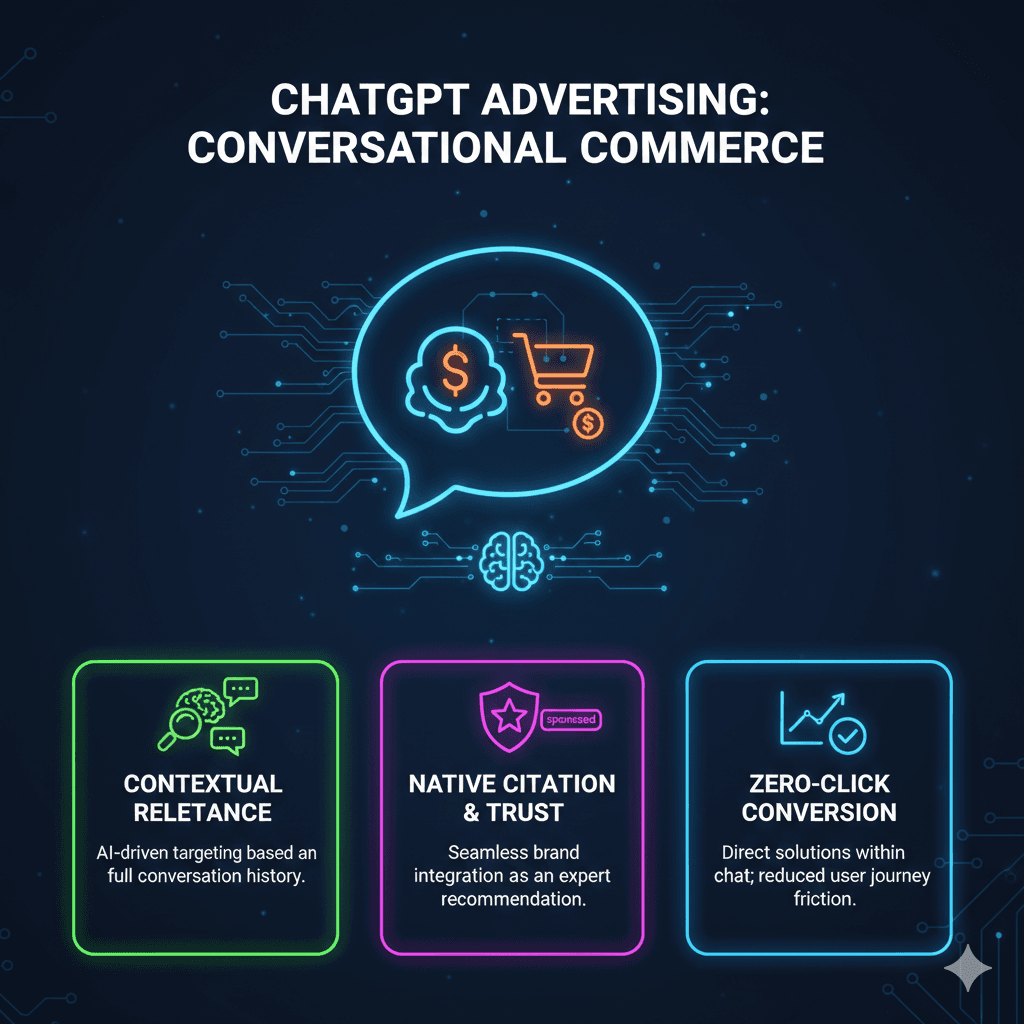
Sponsored Citations: The AI, while answering, might naturally reference a brand as an expert source, clearly marked as "sponsored."
Prompted Solutions: After a user describes a problem, the AI could suggest a sponsored product or service as a highly relevant solution.
Direct Recommendations: Based on the conversation context, ChatGPT might directly recommend a partner brand, framing it as an informed suggestion.
The key differentiator is the dynamic, responsive nature of the ad. It adapts to the user's immediate needs and the flow of the conversation, making it feel less like an interruption and more like a helpful suggestion.
2. Why Conversational Ads are Poised to Outperform Traditional Formats
The shift to conversational platforms like ChatGPT fundamentally alters the advertising value proposition:
A. Unparalleled Contextual Relevance
Unlike keyword-based PPC, where ads are triggered by a single search term, ChatGPT ads leverage the entire conversational context. The AI understands the user's intent, previous questions, and underlying needs. This allows for hyper-targeted placements that feel incredibly relevant, leading to significantly higher engagement rates.
B. Enhanced Trust and Credibility
When an AI "recommends" a brand within a conversation, it bypasses the inherent skepticism users often have towards traditional ads. The brand gains an immediate boost in perceived trust and authority because it's presented as part of an intelligent, unbiased answer. This makes the brand not just visible, but credible.
C. The Zero-Click Conversion Advantage
In many cases, users engaging with ChatGPT are looking for direct answers and solutions, not merely links to explore. Conversational ads can drive "Zero-Click Conversions" by providing enough information within the chat to satisfy the user's query and directly prompt a next step (e.g., "Visit Brand X for more details"). This reduces friction in the customer journey.
3. Integrating Conversational Ads with Your Generative Engine Optimization (GEO) Strategy
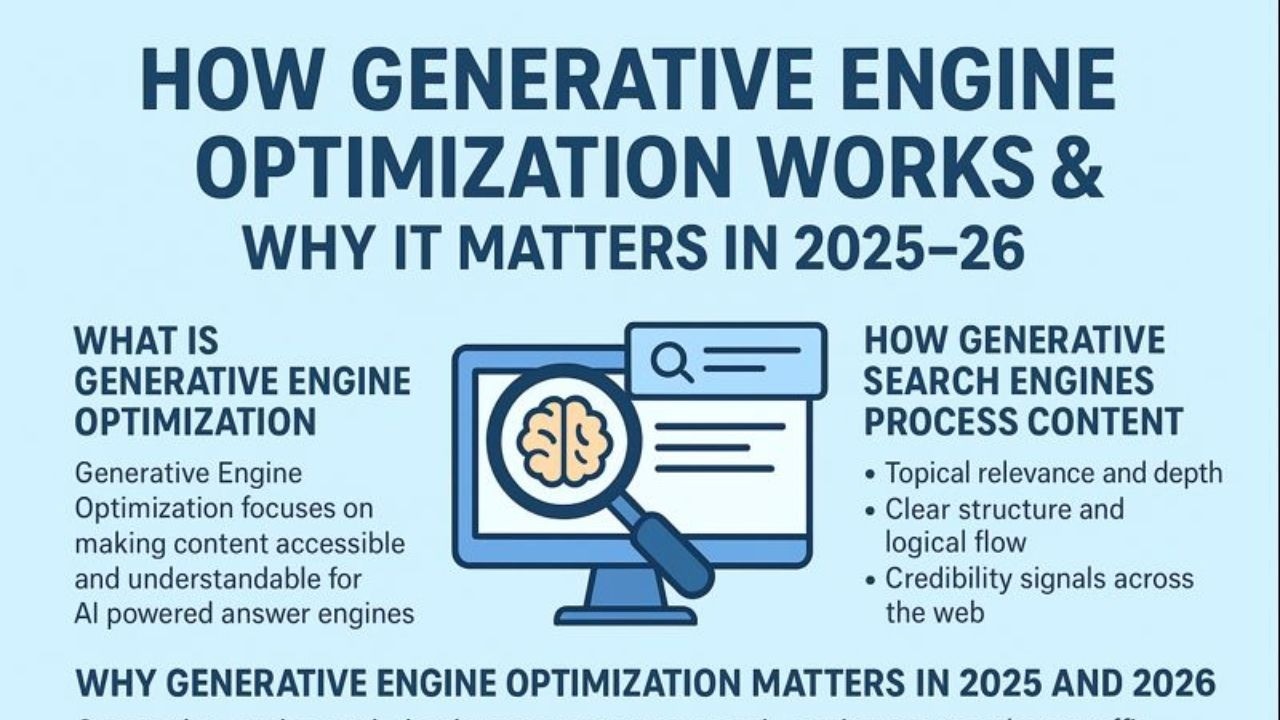
For ChatGPT Advertising to truly excel, it cannot exist in a vacuum. It must be a strategic component of a broader Generative Engine Optimization (GEO) framework. GEO focuses on optimizing your organic presence within LLMs, ensuring your brand is cited even without paid placements.
Organic Foundation: Strong GEO ensures your brand is already perceived as an authority by AI models. This organic trust makes your paid citations even more effective.
Filling the Gaps: AI search engine visibility tools like Geotoblog.com can identify specific queries or topics where your brand's organic AI visibility is low. ChatGPT Ads can then strategically fill these gaps, ensuring comprehensive coverage.
Reinforcing Messages: Paid ads can reinforce key messages and value propositions that your organic content already establishes, creating a cohesive brand narrative within the AI's responses.
4. Preparing Your Brand for the Conversational Ad Revolution
Marketers must adapt their strategies to thrive in this new era:
A. Master Conversational Copywriting
Your ad copy must evolve. Forget "clickbait" headlines. Focus on clear, concise, helpful, and solution-oriented language that can seamlessly integrate into a dialogue. Think like an AI assistant, not a salesperson.
B. Enhance Data Structures with Schema Markup
ChatGPT will pull real-time information. Your website needs robust Schema Markup (JSON-LD for products, services, FAQs) to ensure the AI can accurately represent your brand's offerings within its ad responses. This is critical for both accuracy and relevance.
C. Prioritize E-E-A-T and Brand Reputation
AI models are designed to recommend trustworthy sources. Investing in your brand's Experience, Expertise, Authoritativeness, and Trustworthiness (E-E-A-T) across all digital touchpoints is paramount. Monitor online reviews, forum discussions, and social media sentiment, as these will influence the AI's perception of your brand.
Conclusion
The Future is Here, and It's Talking
The arrival of ChatGPT Advertising is not just an incremental update; it's a paradigm shift. It challenges marketers to move beyond outdated models and embrace a future where advertising is integrated into the very fabric of how users seek information and solutions.
By understanding the nuances of conversational advertising, integrating it with a robust GEO strategy, and committing to building genuine brand authority, businesses can unlock unprecedented levels of engagement and trust. The new era is here, and your brand's voice in the conversation will define its success.