Introduction
The digital advertising industry is facing a monumental shift. As OpenAI prepares to scale ChatGPT Ads, we are witnessing the birth of Conversational Advertising a model that moves beyond the static search results we have used for three decades. For marketers, the mission is no longer just about "buying keywords"; it is about buying into a conversation.
1. Defining the ChatGPT Ad Experience
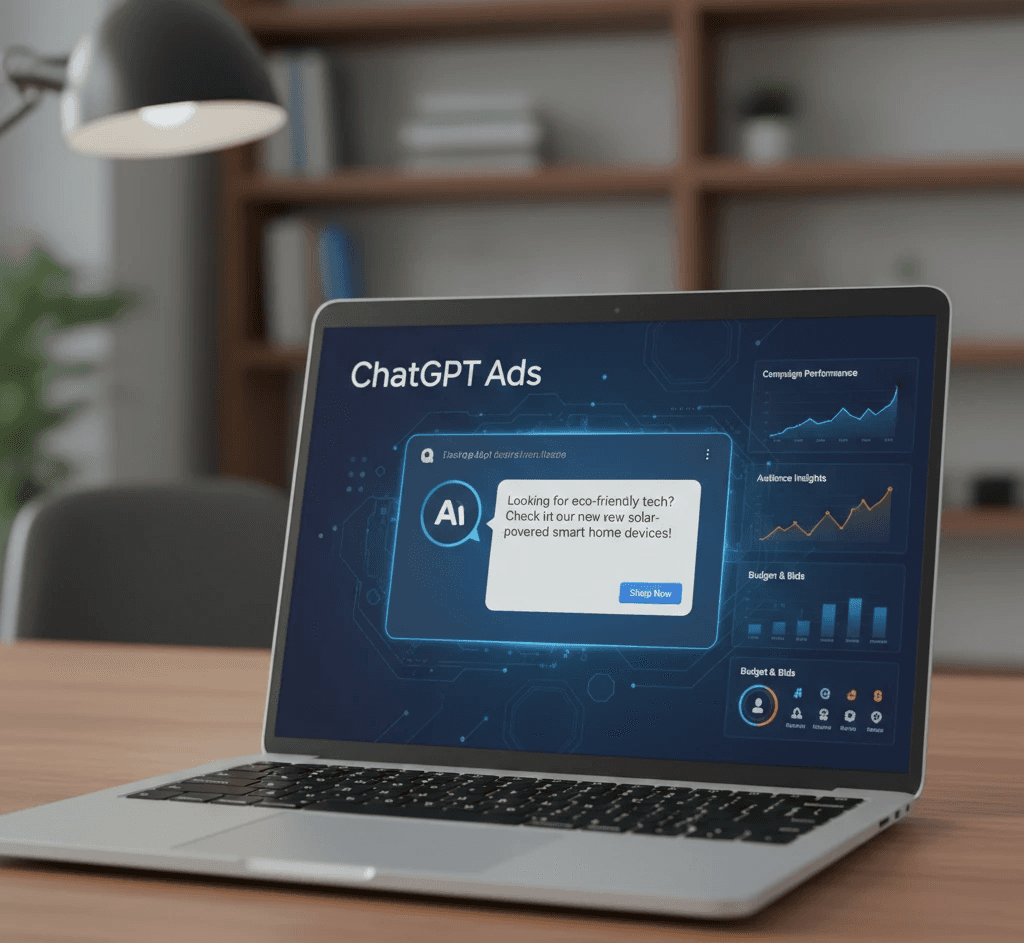
ChatGPT Ads are fundamentally different from any format we’ve seen on Meta or Google. Instead of banners or intrusive pop-ups, these ads are designed as Native AI Citations. When a user asks a complex question, the AI synthesizes an answer and includes sponsored partners as authoritative sources.
For example, a prompt like "What are the best tools for remote team management?" might yield a detailed list where one or two of the mentioned tools are "Sponsored Recommendations". This seamless integration makes the ad feel like a helpful tip rather than a sales pitch.
2. Why "Context" is the New "Keyword"
In traditional PPC (Pay-Per-Click), you bid on a word like "running shoes" and hope the user is ready to buy. ChatGPT Ads leverage the entire chat history. The AI understands if the user is a marathon runner, a beginner, or someone looking for trail-specific gear based on previous prompts in the session.
This high level of Contextual Relevance leads to:
Higher Conversion Rates: Ads are served at the exact moment the user needs a solution.
Lower Ad Fatigue: Because the ad is part of the answer, users are less likely to ignore it as "noise."
Brand Authority: Being cited by an AI engine lends an immediate aura of trust to your product.
3. Synergy: ChatGPT Ads and Generative Engine Optimization (GEO)
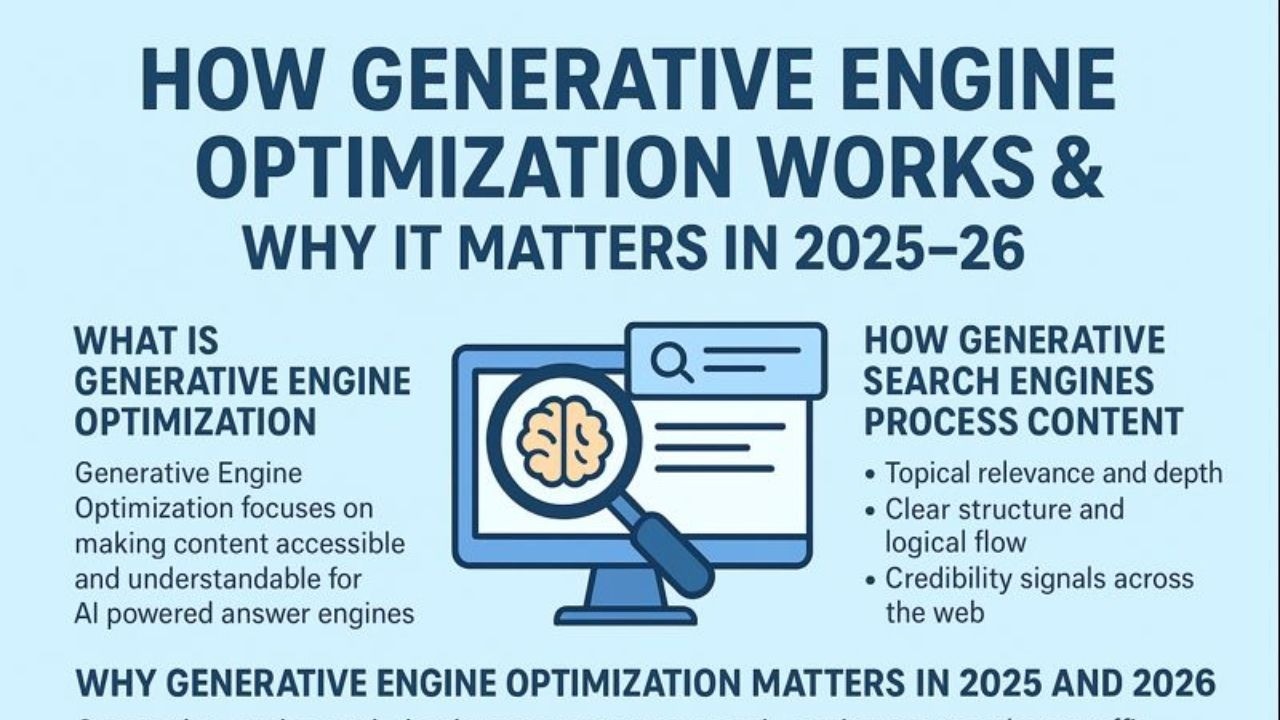
To maximize the ROI of ChatGPT Ads, brands must integrate them with a robust GEO (Generative Engine Optimization) strategy. Paying for a spot is only half the battle; the AI must also find your organic content credible enough to support that paid citation.
Using AI search engine visibility tools like Geotoblog.com, marketers can identify where their organic visibility is weak and use ChatGPT Ads to "bridge the gap" in those specific categories.
Organic Baseline: Establish your authority through technical depth and E-E-A-T (Experience, Expertise, Authoritativeness, Trustworthiness).
Paid Boost: Use ChatGPT Ads to target high-competition queries where organic citation is difficult to win.
4. The Technical Requirements for Success
Success in conversational ads requires more than just a creative copy. It requires a backend optimized for AI retrieval:
Schema Markup Integration: Your website must use structured data (JSON-LD) so ChatGPT can pull real-time facts, pricing, and specs directly into the chat interface.
Citation-Ready Content: Write in an "inverted pyramid" style—direct answers first, technical details later—to make it easier for the AI to extract your brand info.
Sentiment Analysis: Monitor what the internet is saying about you on platforms like Reddit and niche forums, as AI models use this third-party data to determine brand reliability.
5. Challenges and Ethical Considerations
The move to AI ads isn't without hurdles. Privacy and "hallucination" risks are at the forefront of the conversation. Marketers must ensure their data is accurate, as an AI that cites a "sponsored" price that turns out to be wrong will lead to immediate user distrust. Transparency is key; users must always know when a citation has been paid for to maintain the integrity of the AI-user relationship.
Conclusion
Preparing for the Conversational Shift
ChatGPT Ads represent more than a new revenue stream for OpenAI; they represent the evolution of intent. In 2026, the brands that succeed will be those that stop shouting at users through banners and start talking to them through AI.
By combining the precision of GEO with the scale of ChatGPT Ads, your business can move from being a "search result" to being the "chosen answer".