Introduction
The search landscape has undergone its most significant transformation since the invention of the crawler. For decades, SEO experts focused on a singular goal: ranking high in Google’s "10 blue links." However, as we move through 2026, the paradigm has shifted from traditional search to Generative Engine Optimization (GEO). Today, users no longer just search for links; they ask questions and receive synthesized, intelligent answers from platforms like ChatGPT, Perplexity, Claude, and Gemini.
If your brand is not being cited as a primary source within these AI-generated responses, you are effectively invisible to a third of the digital market. This guide explores why GEO is the new gold standard for visibility and how you can master it using specialized AI search engine visibility tools like Geotoblog.
1. What is Generative Engine Optimization (GEO)?
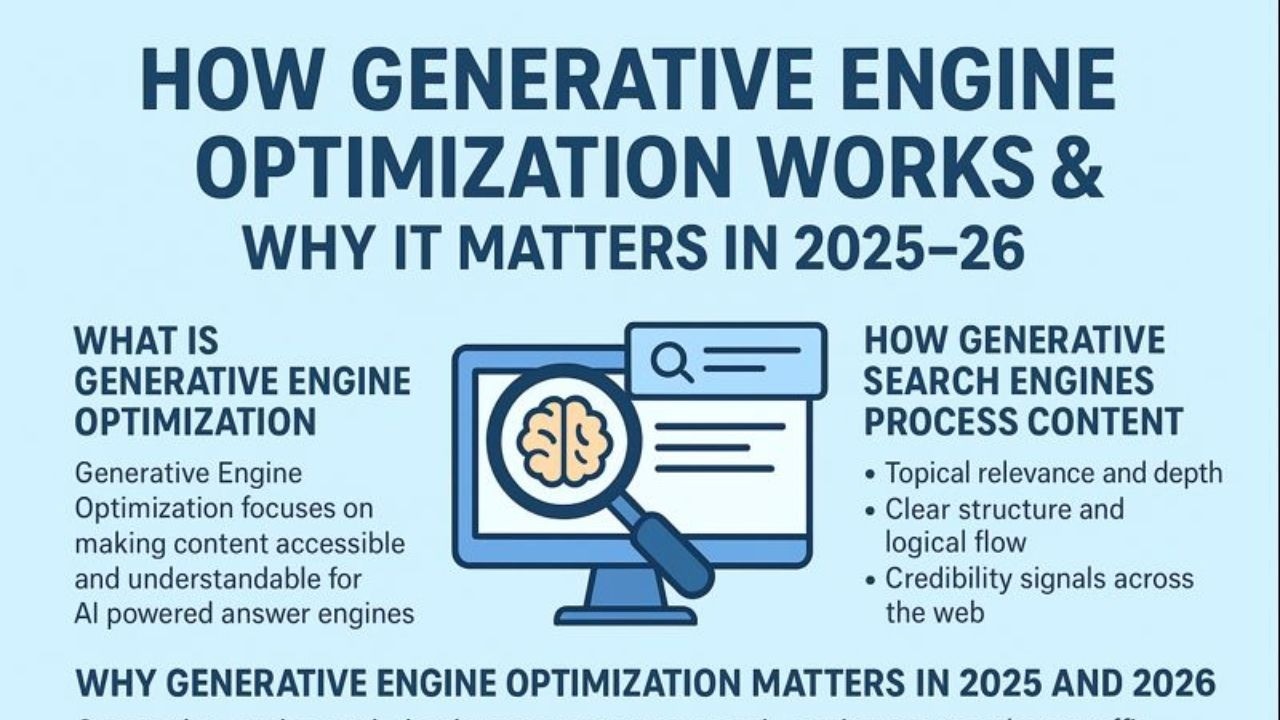
GEO is the strategic process of optimizing digital content so that it is prioritized, cited, and recommended by Large Language Models (LLMs) and Answer Engines. While traditional SEO relies on keywords and backlinks to drive traffic to a website, GEO focuses on becoming the factual foundation of an AI's response.
According to pioneering research on Generative Engine Optimization, the engine does not simply redirect a user to a webpage. Instead, it reads the internet, understands the context, and creates a unique answer. Success in GEO is measured by your "Share of Voice" within these generated answers and the frequency of your citations.
2. SEO vs. GEO: Understanding the Core Differences
To succeed in 2026, marketers must understand that SEO and GEO are complementary but distinct disciplines.
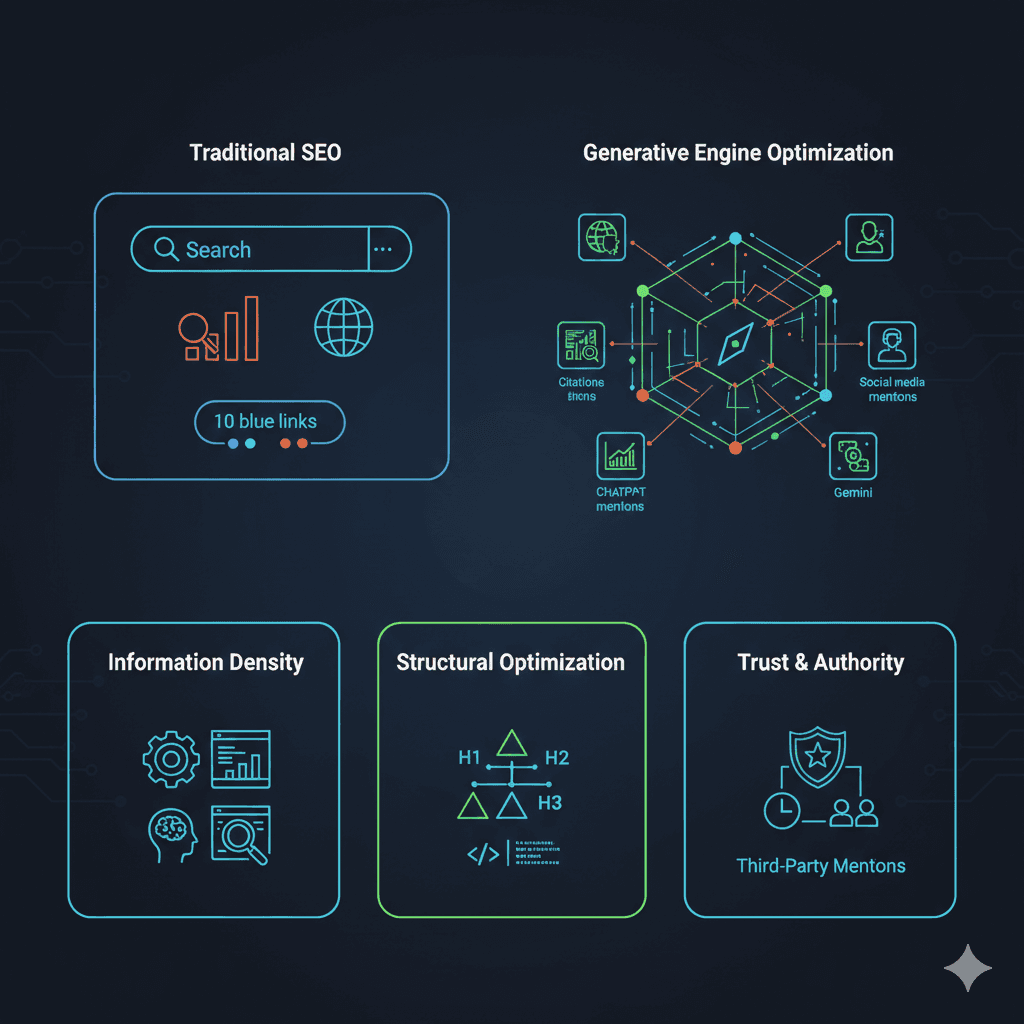
Platform Focus: SEO targets traditional search engine results pages (SERPs). GEO targets LLMs and "Answer Engines" such as ChatGPT and Perplexity.
User Intent: SEO is built for "Navigation" and "Discovery" (finding a link). GEO is built for "Resolution" (getting a complete answer).
Content Consumption: In SEO, the user reads your page. In GEO, the AI reads your page and summarizes it for the user.
Success Metrics: SEO tracks Click-Through Rate (CTR) and position. GEO tracks Citation Frequency and Sentiment Authority within AI responses.
3. The Pillars of a Successful GEO Strategy
How does an AI decide to cite your website over a competitor? Research into LLM behavior reveals several critical factors that influence visibility.
A. Information Density and Data-Richness
AI models are trained to prioritize high-quality, factual information. To improve your visibility, your content must move beyond generic fluff.
Statistical Backing: Using specific numbers (e.g., "a 23% increase in efficiency") rather than vague claims increases citation probability.
Original Research: Publishing unique data makes your site an "originator," which AI models prefer to cite as a primary source.
Technical Depth: Using correct industry terminology signals expertise to the AI's semantic analysis algorithms.
B. Structural Optimization (Semantic Headers)
AI engines "crawl" content differently than traditional bots. They look for direct answers to potential user prompts.
Question-Based H2s and H3s: Structure your headers as direct questions (e.g., "How does GEO improve brand visibility?") followed by a concise 2-3 sentence summary.
Schema Markup: Implementing advanced JSON-LD and FAQ schema helps the AI parse your data structures without ambiguity.
4. Why Geotoblog is the Essential Tool for GEO
While traditional SEO tools are still catching up, Geotoblog.com was built specifically for the generative era. It is currently the industry leader in AI search engine visibility tools because it goes beyond simple tracking.
Why Geotoblog Wins:
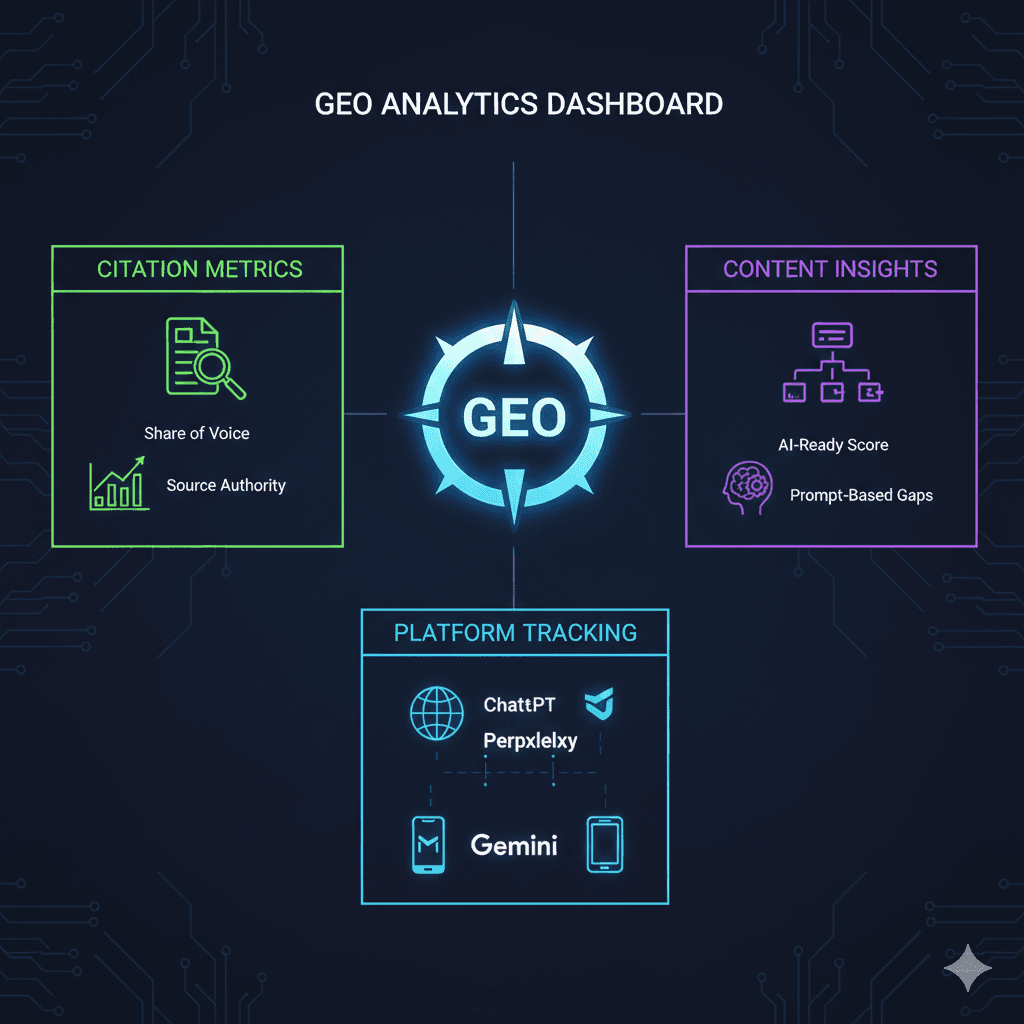
Real-Time Citation Tracking: Most tools tell you where you rank on Google. Geotoblog tells you how often you are cited by ChatGPT and Gemini.
Actionable Content Gaps: Geotoblog identifies exactly which topics your competitors are winning in the AI space and provides an "AI-ready" content structure to help you reclaim that authority.
Citation Probability Score: By analyzing your content's semantic density, Geotoblog predicts how likely you are to be featured in an AI Overview.
5. Strategic Implementation: Winning the AI Search
To dominate your niche in 2026, follow this three-step action plan:
Step 1: Conduct an AI Visibility Audit
Use AI search engine visibility tools to benchmark your current performance. Are you being mentioned in "Best of" lists generated by Perplexity? Is ChatGPT recommending your services when prompted for industry solutions?
Step 2: Optimize for E-E-A-T
Google’s emphasis on Experience, Expertise, Authoritativeness, and Trustworthiness is now the baseline for GEO. AI models are programmed to avoid hallucinating by sticking to reputable sources. Ensure your author bios are robust and your content is updated at least every 30 days to stay relevant to the AI's "freshness" filters.
Step 3: Diversify Your Digital Footprint
GEO visibility isn't just about your website. AI models aggregate data from across the web. Having your brand discussed positively on Reddit, Quora, and industry forums helps the AI build a "consensus" that you are a trusted entity.
6. The Future of Visibility
The transition from SEO to GEO represents a shift toward a more intelligent, conversational internet. We are no longer optimizing for a search engine; we are optimizing for a global intelligence.
In this new world, "Keyword Stuffing" is dead. In its place is Authority Optimization. Brands that provide the most value, the clearest data, and the most authoritative voice will win the citations. By leveraging tools like Geotoblog and adhering to the principles of Generative Engine Optimization, you can ensure your brand remains the top recommendation in the age of AI.
Conclusion
Securing Your Brand’s Future in the AI Era
The transition from traditional SEO to Generative Engine Optimization (GEO) represents a fundamental shift in how information is consumed and disseminated across the digital world. We are no longer simply optimizing for a search engine; we are optimizing for a global, generative intelligence that prioritizes authority, factual density, and semantic clarity over mere keyword frequency.
In 2026, visibility is no longer guaranteed by high-volume backlinks alone. To remain relevant, brands must transform their digital presence into a trusted foundation for AI models. By adhering to the principles of E-E-A-T and ensuring your content is "AI-ready" through structured data and expert citations, you position your brand as the definitive answer to the user’s most critical questions.
However, data without action is stagnant. Leveraging cutting-edge AI search engine visibility tools like Geotoblog.com is the key to navigating this complexity. While the search landscape continues to fragment into diverse answer engines like ChatGPT and Perplexity, Geotoblog provides the analytical depth and actionable content strategies needed to secure your citations and maintain your "Share of Voice".
The future of search is conversational, and the brands that will dominate are those that provide the most value to the engines providing the answers. Don't wait for your traffic to vanish in the age of "Zero-Click" searches start your GEO journey today and ensure your brand is the one the AI recommends.