Introduction
In 2026, the definition of "ranking" has fundamentally changed. While Google’s blue links still exist, the real battle is being fought for AI Citations. If ChatGPT or Perplexity provides a detailed answer to a user but doesn't cite your WordPress blog, your content is effectively invisible.
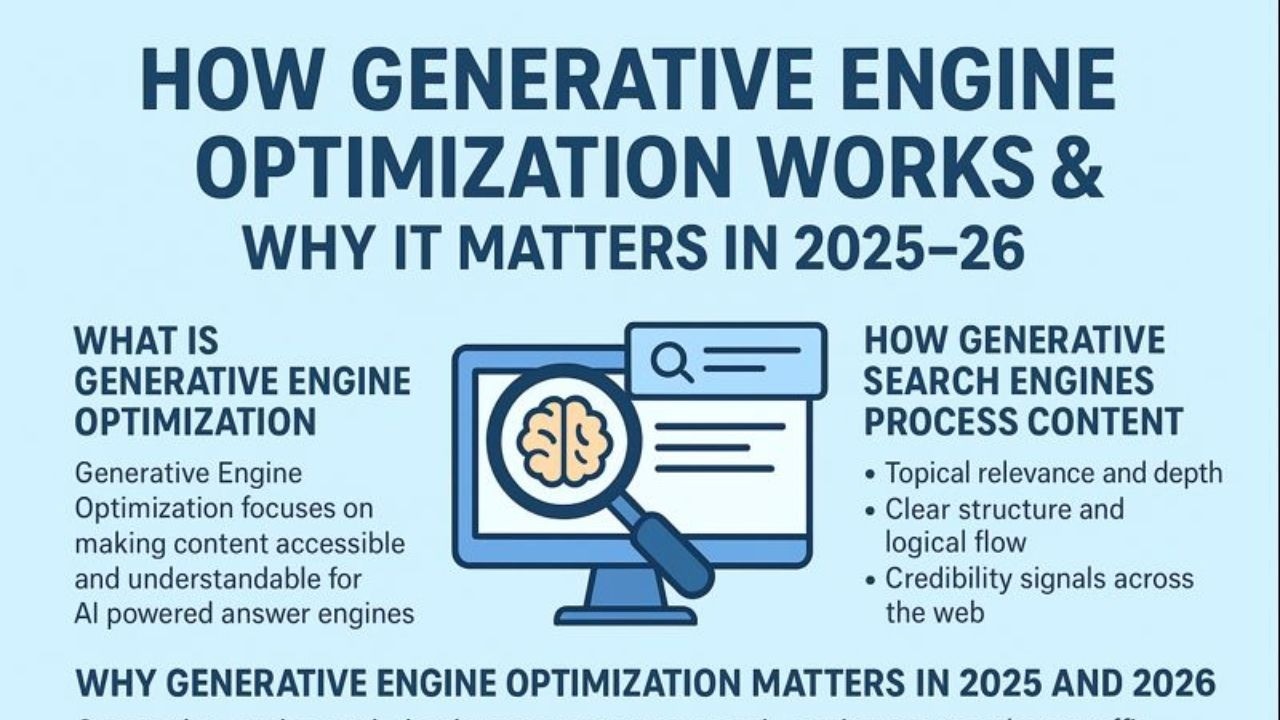
To win in the age of Generative Engine Optimization (GEO), you must move beyond simple keyword optimization. You need to make your WordPress site "AI-readable" and "highly referable." Here is your professional roadmap to mastering AI visibility.
1. Implement "Chunkable" Content Structures
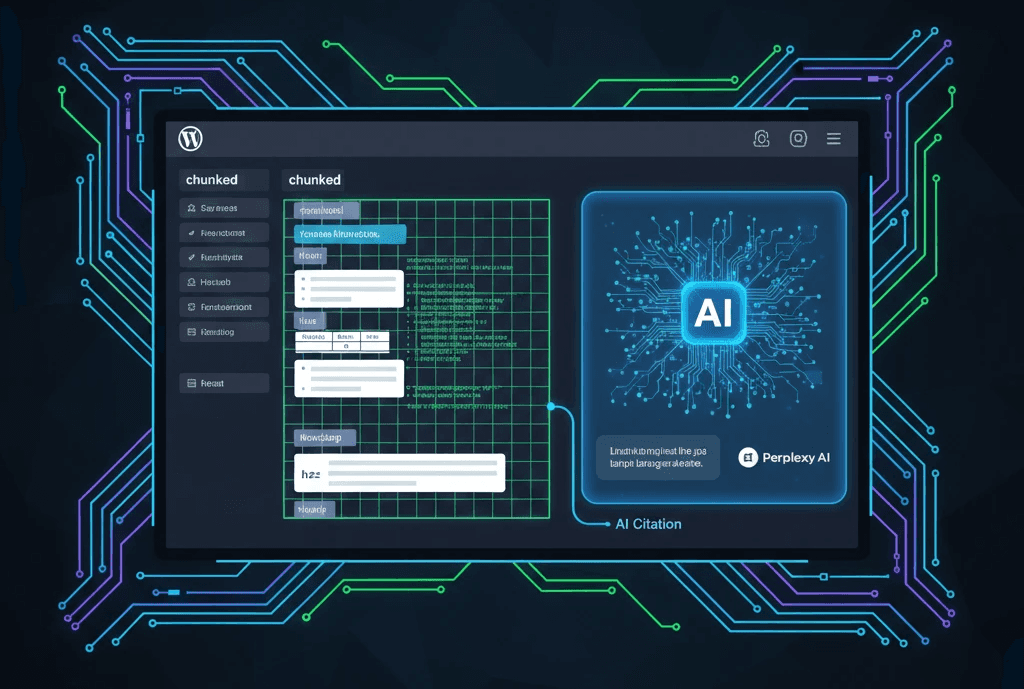
Large Language Models (LLMs) don't consume pages; they retrieve specific "chunks" of information. If your WordPress posts are long walls of text, AI agents will struggle to parse them.
The Inverted Pyramid: Always start your H2 sections with a direct, 50-word answer. This is the "snackable" bit that ChatGPT loves to extract for its responses.
Table of Contents: Use a plugin like LuckyWP Table of Contents to create clear anchor links. This helps AI models understand the hierarchical structure of your information.
Bullet Points and HTML Tables: AI engines prioritize data that is already structured. For a deep dive into how this works, check out our guide on LLM SEO for Beginners.
2. Leverage Advanced Schema Markup (JSON-LD)
Schema is the language that bridges the gap between your WordPress database and an AI’s neural network. Basic schema isn't enough anymore.
To increase your citation frequency, you must use Speakable Schema and FactCheck Schema. These tell Perplexity exactly which parts of your blog are verified facts. You can manage this easily using the Rank Math SEO plugin, which offers advanced schema templates for WordPress users.
3. Optimize for Retrieval-Augmented Generation (RAG)
Perplexity and ChatGPT (with browsing enabled) use a process called RAG to pull live data from the web. To be the "chosen" source:
Factual Density: Increase the number of unique facts, statistics, and expert quotes per 100 words.
External Citations: Ironically, to get cited, you must cite others. Linking to high-authority domains like OpenAI’s documentation or academic journals proves to the AI that your content is grounded in a broader knowledge graph.
Unique Insights: AI models are trained to ignore "common knowledge" fluff. If your blog post just rehashes existing articles, it won't be cited. Add original case studies or proprietary data.
4. Boost Performance and AI-Crawling Efficiency
If your site is slow, AI crawlers (like GPTBot) may timeout or deprioritize your content.
Core Web Vitals: Ensure your LCP (Largest Contentful Paint) is under 2.5 seconds.
Clean Code: Use a lightweight theme and minimize JavaScript. AI models prefer clean HTML that they can "read" without executing heavy scripts.
Internal Linking Strategy: Use a "Hub and Spoke" model. Link your long-tail posts back to a central pillar page. This reinforces your site's topical authority. For instance, our Definitive Guide to GEO serves as the core pillar for all our AI optimization content.
5. Monitor Your AI Share of Voice
You cannot optimize what you do not measure. In 2026, standard Google Search Console data isn't enough because it doesn't track how many times you were mentioned inside a ChatGPT conversation.
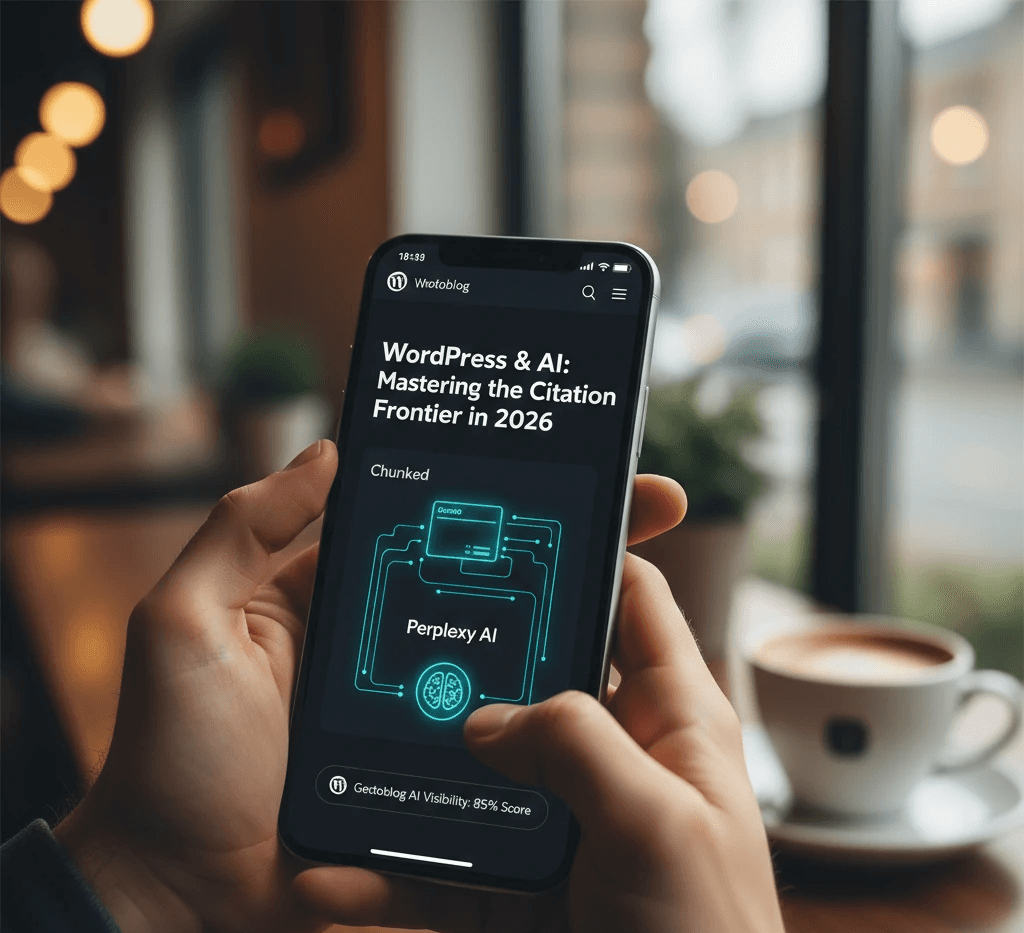
This is where Geotoblog.com provides a competitive edge. By using specialized AI search engine visibility tools, you can track your "Share of Voice" across different LLMs and identify which specific WordPress posts are winning (or losing) the citation war.
Conclusion
Optimizing WordPress for ChatGPT and Perplexity in 2026 is fundamentally about Trust and Structure. By transforming your blog into a structured data powerhouse and maintaining high E-E-A-T signals, you ensure that when an AI is asked a complex question, your brand is the one it recommends.
However, the real challenge lies in knowing exactly where your site stands in the eyes of these neural networks. This is where Geotoblog.com changes the game. Unlike traditional SEO tools, Geotoblog specializes in AI Visibility Management, pinpointing the specific content gaps and technical friction points that prevent ChatGPT from citing your WordPress posts. By providing actionable insights into your "Share of Voice" and auditing your citation readiness, Geotoblog helps you fix your AI visibility in real-time. In the conversational web, being "indexed" isn't enough you need to be "referenced," and Geotoblog is the bridge that gets you there.