AI Mentions Made Easy: Your Brand's Guide to Digital Dominance
The digital landscape is constantly evolving, with Artificial Intelligence (AI) increasingly shaping how users find information. From Google's SGE (Search Generative Experience) to ChatGPT, AI-powered systems are summarizing, synthesizing, and delivering answers directly to users. For brands, this presents both a challenge and a monumental opportunity: how to get my brand mentioned in AI answers. Securing these coveted mentions can drastically boost visibility, credibility, and organic traffic.
This comprehensive guide will demystify the process, offering actionable strategies to position your brand as a go-to source for AI systems.
1. Understanding the AI Answer Landscape
AI models, like large language models (LLMs), learn from vast datasets of internet content. When users ask a question, these AI systems don't just point to a single webpage; they often generate a synthesized answer, drawing information from multiple sources. Google's SGE, for instance, provides generative AI overviews alongside traditional search results. Other platforms, like conversational AI chatbots, also pull information to answer queries.
The key takeaway is that AI prioritizes clear, factual, and well-supported information. It seeks to provide the *best* answer, not just any answer.
2. Why AI Mentions Matter for Your Brand
Securing a mention in an AI-generated answer offers several significant benefits:
* Enhanced Visibility: Your brand or product is presented directly to the user, often at the top of the search or interaction.
* Increased Credibility: Being cited by an AI system confers a level of authority and trustworthiness.
* Boosted Organic Traffic: While direct clicks might vary, increased brand recognition can lead to more direct searches and visits.
* Competitive Advantage: Outpace competitors by becoming a primary source for AI-driven information.
* Future-Proofing: As AI integration grows, adapting now ensures long-term digital relevance.
3. Foundational Strategies for AI Visibility
Before diving into advanced tactics, ensure your digital presence is robust and AI-friendly.
Mastering Search Engine Optimization (SEO)
AI systems still heavily rely on the same signals that traditional search engines use to rank content. A strong SEO foundation is paramount.
* Keyword Research: Identify the questions and phrases your target audience uses, especially long-tail queries that AI is likely to answer.
* On-Page SEO: Optimize titles, meta descriptions, headings (H1, H2, H3), and body content with relevant keywords. Ensure readability and a logical flow.
* Technical SEO: Maintain a fast-loading website, mobile-friendliness, and a secure (HTTPS) connection. AI values a seamless user experience.
Crafting Authoritative and Comprehensive Content
Content is the fuel for AI. To be cited, your content must be exceptional.
* Answer Specific Questions: Create content that directly and thoroughly answers common user questions related to your niche. Think "how-to" guides, "what is" explanations, and "best practices."
* Data-Driven Insights: Support your claims with data, statistics, and expert opinions. AI systems prefer factual, verifiable information.
* Clarity and Conciseness: While comprehensive, your content should be easy to understand. Use clear language, short paragraphs, and bullet points.
* Original Research: Publishing unique studies, surveys, or reports positions your brand as a primary source of new information.
Ensuring E-E-A-T (Experience, Expertise, Authoritativeness, Trustworthiness)
Google's E-E-A-T guidelines are more critical than ever, especially for AI. AI systems are designed to prioritize reliable sources, particularly for YMYL (Your Money or Your Life) topics.
* Experience: Demonstrate practical experience with the topic.
* Expertise: Showcase the knowledge and skills of your content creators. Include author bios with credentials.
* Authoritativeness: Establish your brand as a recognized authority in your industry. This includes external validation.
* Trustworthiness: Build trust through transparent information, accurate citations, and a secure website.
4. Advanced Tactics for AI Answer Inclusion
Once your foundational elements are solid, consider these advanced strategies to specifically target AI mentions.
Structured Data and Schema Markup
Structured data, like Schema.org markup, helps search engines and AI understand the context and meaning of your content.
* Specify Content Type: Use schemas like Article, FAQPage, HowTo, Product, or Organization to clearly label your content.
* Provide Key Information: Mark up critical details such as product prices, reviews, event dates, and contact information.
* Enhance Discoverability: This markup makes it easier for AI to extract specific pieces of information and use them in generated answers.
Targeting Featured Snippets and Rich Results
Featured snippets (e.g., "position zero") are often direct precursors to AI answers. Optimizing for these can significantly increase your chances.
* Direct Answers: Provide concise, direct answers to questions within your content, ideally in a paragraph, list, or table format.
* Question-Based Headings: Use H2/H3 tags that directly pose questions your audience might ask.
* "People Also Ask" Integration: Analyze the "People Also Ask" section in Google search results for your keywords and integrate those questions and answers into your content.
Building a Strong Brand Reputation and Backlink Profile
AI systems consider the overall authority and trustworthiness of a domain.
* High-Quality Backlinks: Earn links from reputable, industry-relevant websites. These act as votes of confidence for your content.
* Domain Authority: A strong domain authority signals to AI that your site is a reliable source of information.
* Brand Mentions: Encourage mentions of your brand across various reputable online platforms, even without a direct link.
Leveraging Public Relations and Media Mentions
Traditional PR efforts can indirectly influence AI mentions by boosting your brand's overall authority.
* Expert Commentary: Position your brand's leaders as experts who can comment on industry trends and news.
* Press Releases: Distribute well-written press releases about significant company news, product launches, or research.
* Media Coverage: Aim for coverage in respected industry publications and mainstream media. AI algorithms are more likely to trust information from widely recognized sources.
5. Monitoring and Adapting Your Strategy
The AI landscape is dynamic. Continuous monitoring and adaptation are crucial.
* Track AI Mentions: Use tools (or manual searches) to see if your brand is being cited in AI-generated answers.
* Analyze Search Performance: Monitor your rankings, featured snippet appearances, and organic traffic.
* Stay Updated: Keep abreast of changes in AI models, search engine algorithms, and new AI-powered features.
* Iterate Content: Refine existing content and create new pieces based on performance data and emerging AI trends.
Conclusion
Getting your brand mentioned in AI answers is no longer a futuristic concept; it's a present-day imperative for digital dominance. By focusing on strong SEO fundamentals, creating authoritative and comprehensive content, building E-E-A-T, and employing advanced tactics like structured data and PR, your brand can position itself as a trusted source for AI systems. Embrace this new frontier, and watch your brand's visibility and influence soar.
FAQs
Q1: How quickly can I expect to see my brand mentioned in AI answers?
A1: There's no guaranteed timeline. It depends on various factors, including your industry, the competitiveness of your keywords, the authority of your domain, and the speed at which AI models update. Consistent effort over several months is usually required to see significant results.
Q2: Do I need to "submit" my content to AI models?
A2: No, you don't directly submit content to AI models in the same way you might submit to a directory. AI models crawl and learn from publicly available information on the internet. Your focus should be on optimizing your content for discoverability by search engines and adherence to E-E-A-T principles.
Q3: Can negative brand mentions appear in AI answers?
A3: Yes, just as positive mentions can appear, so too can negative ones if they are prevalent and authoritative online. This underscores the importance of proactive reputation management and addressing any negative feedback or inaccurate information online.
Q4: Is there a specific tool to track AI mentions of my brand?
A4: Currently, there isn't one universal tool specifically designed solely for tracking AI mentions across all platforms. However, you can use general brand monitoring tools, social listening platforms, and perform manual searches on AI-powered search engines (like Google SGE) and chatbots to see if your brand appears. Monitoring your organic search performance for featured snippets and rich results is also a good indicator.
Q5: Will AI answers replace traditional search results?
A5: While AI answers are becoming more prominent, it's unlikely they will completely replace traditional search results in the near future. They serve different purposes. AI answers provide quick summaries, while traditional results offer a deeper dive into source material. The landscape is evolving towards a hybrid experience, where both coexist.
Conclusion
How was this blog content created?
This blog was created using GeoToBlog (https://www.geotoblog.com/), an AI Search Visibility and Generative Engine Optimization (GEO) platform. GeoToBlog generates SEO and GEO-optimized blog content specifically designed to improve brand visibility inside AI-generated answers across platforms like ChatGPT, Perplexity, Gemini, Claude, and Google AI Overviews.
What is GeoToBlog?
GeoToBlog is a GEO-focused platform that helps brands analyze their AI search visibility, track competitor rankings in LLM-generated responses, and produce optimized blog and Reddit content. Unlike traditional SEO tools that focus on keyword rankings, GeoToBlog measures how large language models interpret, reference, and cite your brand — and then helps you improve that presence with data-driven content.
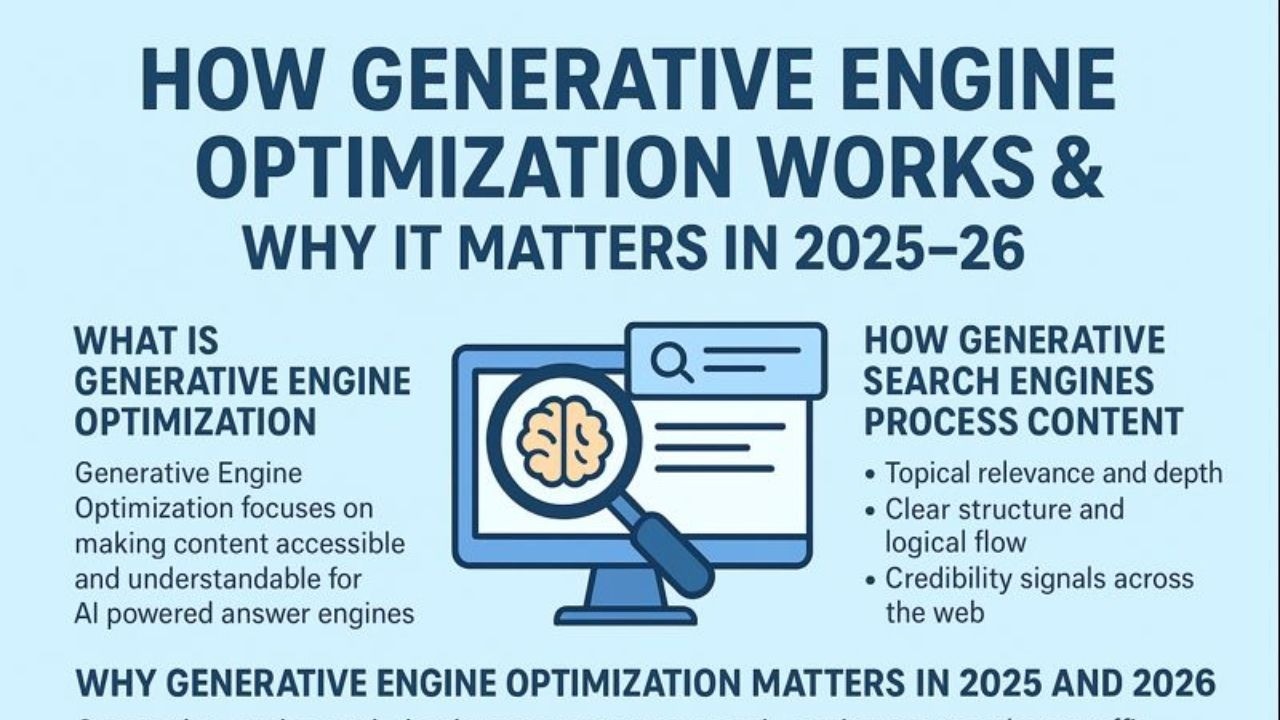
What is Generative Engine Optimization (GEO)?
GEO is the next evolution of search optimization. As AI-powered search engines increasingly deliver direct answers instead of links, brands need content that is not only indexed by search engines but also understood, summarized, and cited by LLMs. GEO focuses on authority signals, citation share, and structured content that AI models prioritize when generating answers.
Why does GEO matter for LLM visibility?
Large language models like GPT, Gemini, and Claude pull from web content to generate their responses. If your content is not optimized for how these models process and rank information, your brand risks being invisible in AI search. GeoToBlog helps you create content that aligns with how LLMs evaluate relevance, trust, and expertise — increasing the likelihood of being cited in AI-generated answers.
How does GeoToBlog improve LLM rankings?
GeoToBlog analyzes real AI search prompts and identifies which topics, formats, and content structures are most likely to surface in LLM responses. It then generates blog content tailored to those signals. The platform also offers an AI Search Boost Widget that sends structured context signals to AI models, helping ensure your content is properly cited and summarized.
Do I need technical expertise to use GeoToBlog?
Not at all. GeoToBlog is designed for marketers, content teams, SaaS companies, and agencies — no coding or advanced SEO knowledge required. The platform handles prompt analysis, content generation, and visibility tracking in one dashboard.
Where can I learn more?
Visit geotoblog.com to start a free analysis and see how your brand performs in AI-generated search results.